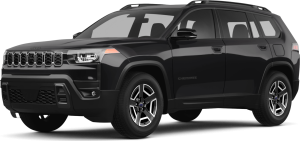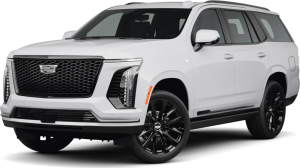


At My Car Park.com, we are dedicated to serving the automotive needs of drivers in Selma, Fresno, and the surrounding areas. From sales to service, parts, and everything in between, our team is committed to helping you find the right vehicle and keeping it running smoothly for years to come. Whether you’re searching for a dependable used car, truck, or SUV, or need maintenance and repairs, we are here to guide you every step of the way. Contact us today or give us a call to see how we can make your car-buying and ownership experience seamless and stress-free.
Finding a reliable used car on a budget doesn’t have to be overwhelming. By understanding how to set a realistic budget, identifying trustworthy vehicles, checking mileage and maintenance history, and knowing where to shop, buyers can confidently locate affordable, dependable cars, trucks, and SUVs. Smart strategies like using pricing tools, performing thorough inspections, and considering certified pre-owned options help ensure that every purchase balances reliability with cost, making it possible to drive away with a vehicle you can count on for years to come.
Step 1: Setting a Realistic Budget for a Used Car
Finding a reliable used car starts with knowing how much you can spend. The cost goes beyond the car’s price. Insurance, taxes, registration, and repairs all add up. Planning ahead helps you avoid surprises and keeps your car affordable. A simple way to track costs:
| Expense | Notes |
| Purchase Price | Cost of the car itself |
| Insurance | Varies by vehicle type and age |
| Taxes & Fees | Sales tax, registration, and DMV charges |
| Maintenance & Repairs | Oil changes, brakes, tires, and routine care |
| Fuel | Gas prices and fuel efficiency |
Avoid picking a car just for low monthly payments. Focus on vehicles that are reliable and low-cost to maintain. A slightly older car in good shape may be cheaper but still last for years. Planning your budget carefully helps you find affordable, dependable used cars.
Step 2: Identify Reliable Used Cars, Trucks, and SUVs
Finding the best used cars on a budget means looking at reliability first. Some models are known to last longer with fewer repairs. Choosing cars, trucks, or SUVs with a strong track record can save money and stress. Key factors to check when identifying reliable vehicles:
| Factor | What to Look For |
| Brand Reputation | Brands known for low maintenance costs and long life |
| Vehicle History | Check for accidents, title issues, or major repairs |
| Mileage | Lower miles are better, but well-maintained higher-mileage vehicles can be fine |
| Maintenance Records | Regular service shows the car was cared for |
| Common Problems | Research known issues for that make and model |
Used trucks often require extra attention. Look for trucks with solid engines, strong frames, and clean service records. High-mileage trucks can still be dependable if they have been maintained properly. Focusing on these factors helps narrow down options. It ensures you find vehicles that are safe, dependable, and affordable. Taking the time to research and inspect each car, truck, or SUV makes it easier to find the best used cars on a budget.
Step 3: Using Pricing Tools to Determine Fair Vehicle Value
Knowing the fair price helps you find affordable reliable vehicles 2025. Pricing tools show what cars, trucks, and used SUVs are worth. They help you compare listings and avoid overpaying.
| Tool | How It Helps |
| Kelley Blue Book | Shows average market value based on year, mileage, and condition |
| Edmunds | Provides trade-in, private party, and dealer price estimates |
| NADA Guides | Offers values for cars, trucks, and SUVs |
| AutoTempest | Compares listings from multiple sites easily |
Tips for using these tools:
- Enter the correct year, make, and model
- Check mileage and condition for accuracy
- Compare multiple sources for best results
Using pricing tools gives confidence and helps you spot fair deals for reliable vehicles.
Step 4: Understand Mileage and Vehicle Age for Price and Reliability
Mileage and vehicle age are key factors in used car buying tips. Both affect price, reliability, and long-term costs. A car with low miles may cost more upfront but can last longer. Older cars may be cheaper, but repairs could be frequent.
| Factor | What to Consider |
| Mileage | Highway miles are less stressful than city miles. Check service records for consistency. |
| Vehicle Age | Look for well-maintained models. Avoid very old cars with poor maintenance history. |
| Balance | Find a car that fits your budget without risking costly repairs. |
Helpful steps from a budget used car guide:
- Compare mileage and age for similar models
- Check for regular maintenance and repairs
- Prioritize vehicles with service records and clear histories
By balancing mileage and age, you can find used cars that stay reliable and affordable.
Step 5: Spot Red Flags in Used Vehicle Listings
Not every used car listing is as good as it looks. Learning how to find reliable used car options means spotting warning signs early. Some issues may be hidden in photos or text. Knowing what to check can save money and stress.
| Red Flag | What to Watch For |
| Price too low | Extremely low prices may signal hidden damage or mechanical issues. |
| Vague descriptions | Listings without details on condition, mileage, or service history are risky. |
| Missing records | No maintenance or repair history may hide costly problems later. |
| Photos only | Few or unclear pictures can hide dents, rust, or interior wear. |
Tips to protect yourself when browsing used cars:
- Verify the VIN to check history reports
- Look for consistent, complete service records
- Ask questions about past accidents, repairs, or major issues
- Test drive before committing to a purchase
By watching for red flags, you increase the chance of buying a safe, reliable used car.
Step 6: Perform Essential Vehicle Inspections
A proper inspection is key to finding the best used cars on a budget. Checking a vehicle carefully helps avoid costly repairs and ensures reliability. Even used trucks with strong reputations need a thorough look before buying.
| Inspection Area | What to Check |
| Exterior | Look for dents, rust, scratches, and mismatched paint. |
| Tires & Wheels | Check tread depth, uneven wear, and any cracks or damage. |
| Engine | Listen for unusual sounds, check for leaks, and inspect belts and fluids. |
| Brakes | Test responsiveness and listen for squeaks or grinding. |
| Interior | Check seats, seatbelts, electronics, and dashboard warning lights. |
| Lights | Ensure headlights, brake lights, and signals work properly. |
Additional tips for a smooth inspection:
- Bring a flashlight for hidden areas
- Test all features, including air conditioning and wipers
- Take notes and photos to compare vehicles
- Consider a professional mechanic for a full inspection
Performing these steps increases confidence in your choice and helps secure a safe, reliable vehicle.
Step 6: Consider Certified Pre-Owned Vehicles
Certified pre-owned (CPO) vehicles offer peace of mind for buyers. They often come with extended warranties and pass strict inspections. Many affordable reliable vehicles 2025 models are available as CPO, making them a smart choice. Used SUVs with certification can give extra assurance for long-term ownership.
| Benefit | What It Means |
| Multi-point inspection | Vehicle is checked for major systems and safety issues |
| Warranty coverage | Repairs may be covered for a set time or mileage |
| Vehicle history | Ensures no major accidents or title issues |
| Roadside assistance | Many programs include help for emergencies |
| Lower depreciation | CPO vehicles often hold value better than standard used cars |
Tips for buying certified pre-owned:
- Confirm the inspection checklist with the dealer
- Compare CPO pricing to non-certified options
- Check the warranty details for coverage limits
- Ask about included perks like maintenance plans
Choosing a certified pre-owned vehicle reduces risk while keeping costs manageable. It’s a smart way to invest in a dependable ride.
Step 7: Negotiate the Best Price on a Used Vehicle
Negotiation is key when buying used cars. Knowing the vehicle’s value and condition helps you make fair offers. Following simple used car buying tips can save hundreds or even thousands of dollars. A budget used car guide gives insight into realistic pricing and helps set expectations.
| Step | Action |
| Research | Know market value and recent sale prices for similar vehicles |
| Inspect | Note any repairs or maintenance needed to use in negotiations |
| Start low | Offer below your target price but remain reasonable |
| Stay calm | Avoid rushing; patience often leads to better deals |
| Be ready to walk | Showing willingness to leave can motivate sellers to reduce price |
Other tips for a strong negotiation:
- Use multiple price quotes as leverage
- Ask for additional perks, like maintenance or warranty coverage
- Keep discussions professional and friendly
- Focus on total cost, not just monthly payments
Negotiating smartly ensures you get the best value for your investment. Planning ahead and knowing the facts gives confidence.
Step 8: Factor in Additional Costs After Purchase
Buying a used car is just the start. True cost includes more than the sale price. Knowing these expenses ensures your budget stays on track. Understanding how to find reliable used cars means planning beyond the purchase.
| Cost Type | What to Expect |
| Taxes & Fees | State taxes, registration, and title fees can add up quickly |
| Insurance | Monthly or annual premiums vary based on vehicle type and age |
| Maintenance | Routine service, brakes, tires, and oil changes keep cars reliable |
| Repairs | Unexpected issues may arise, especially with older models |
| Fuel | Daily use and mileage affect long-term costs |
Other tips to manage post-purchase costs:
- Set aside a small emergency fund for repairs
- Compare insurance rates before finalizing a purchase
- Schedule regular maintenance to avoid major issues
- Keep track of all expenses to see the total cost
Factoring in these costs ensures your investment stays reliable and avoids surprises. Planning ahead makes buying a used car much safer and smarter.
Step 9: Complete Your Used Car Purchase
Ensuring your used car or truck purchase is safe and legal protects you from costly mistakes. Following clear steps makes the process smooth and secure.
| Step | Key Action |
| Verify Ownership | Confirm the title is clear and matches the seller’s information |
| Complete Paperwork | Sign the bill of sale, title transfer, and any local forms |
| Check Vehicle History | Use reports to confirm no accidents, liens, or theft records |
| Secure Payment | Use safe methods like certified checks or bank transfers |
| Register & Insure | Complete registration and obtain insurance before driving |
Other tips for a smooth purchase:
- Always meet sellers in safe, public places
- Bring a trusted friend or mechanic for inspections
- Keep copies of all documents for your records
- Double-check VIN numbers on all paperwork
Following these steps ensures your investment in the best used cars on a budget or used trucks is protected. A careful approach reduces risk and keeps your new vehicle reliable.
What should I look for when buying a reliable used car on a budget?
Check the vehicle’s maintenance history, mileage, age, and overall condition. Look for signs of accidents, rust, or mechanical issues, and always perform a thorough inspection.
Which used car brands are known for long-term reliability?
Brands like Toyota, Honda, Subaru, and Ford are often recognized for producing vehicles that maintain reliability over many years.
How many miles is too many when considering a used car?
Cars over 100,000–120,000 miles may need more maintenance. Focus on overall condition, maintenance history, and how the car was driven.
Should I buy from a private seller or dealership for a budget car?
Dealerships often provide warranties and legal protections, while private sellers may offer lower prices. Consider your comfort level with risk and verification.
What tools or services help check a used car’s history?
Services like Carfax, AutoCheck, and the National Motor Vehicle Title Information System (NMVTIS) provide reports on accidents, title issues, and ownership history.
Find Your Next Used Car at My Car Park.com
If you’re in Selma or Fresno, My Car Park.com is ready to help you find your next vehicle. Our wide selection includes used cars, used trucks, and used SUVs to fit every budget and lifestyle. Our team is here to answer your questions and guide you through the buying process. Before making a purchase, it’s important to know what to look for in paperwork when buying a used car. You can also learn how to tell if a used car was in an accident or check which used cars are least likely to be a lemon. These insights help you make a smart choice and avoid future problems. Contact us today or continue exploring our site to find affordable, reliable vehicles. With the right guidance, you can confidently drive home a vehicle that meets your needs and your budget.
Get Directions to My Car Park.com
Disclaimer: All information is provided for general informational and entertainment purposes only. While we strive for accuracy, we cannot guarantee that all content is complete, current, or error-free. Any reliance you place on such information is strictly at your own risk. This article may include opinions and is not endorsed by, or officially affiliated with, any vehicle manufacturer or brand. Always consult official sources – such as the vehicle’s owner’s manual, authorized dealerships, or certified professionals – for the most up-to-date and personalized information.