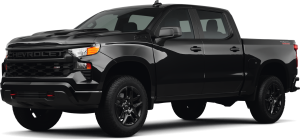


Buying a used car is exciting, but the real protection comes from the paperwork. Every document—title, bill of sale, inspection report, financing agreement, and DMV form—serves as proof of ownership, shields you from fraud, and ensures your investment holds value. Knowing what to look for helps you avoid costly mistakes and gives you the confidence to move forward with the right vehicle. In this guide, we break down the essentials: how to verify a title and history report, why a bill of sale secures your purchase, which inspection documents reveal hidden issues, and what financing or warranty paperwork you should never skip. We’ll also highlight common pitfalls and share a complete checklist tailored for buyers in Selma and Fresno. Whether you’re considering a Nissan Altima, Chevy Silverado 1500, or Toyota Camry, the paperwork ensures your deal is as solid as the car itself. For trusted guidance and a smooth buying experience, visit or contact MyCarPark.com today.
Title and Vehicle History Verification
The first item on any used car paperwork checklist is the title. The title proves who owns the car. Without it, you cannot complete the sale. Always ask to see the original title before moving forward. Check that the name on the title matches the seller’s ID. If it does not, walk away. Make sure the Vehicle Identification Number (VIN) on the title matches the VIN on the car. Even one wrong digit is a warning sign. The next step is a vehicle history report. This report gives you details about the car’s past. It may show accidents, repairs, recalls, or flood damage. For example, if you’re buying a used Nissan Altima, the report will confirm if it has ever been in a crash or if it still has an active lien. Key details to look for include:
- Number of past owners
- Reported accidents or damage
- Odometer readings and rollbacks
- Open recalls
- Active liens or loans
If anything looks unclear, ask questions before you sign. A clean title and a clear history report give you peace of mind. Together, they protect you from fraud and hidden problems.
Importance of a Bill of Sale for Used Cars
Once you confirm the title and history verification, the next step is the bill of sale. This paper records the full deal. It lists the buyer, the seller, the price, and the car details. Without it, you have no proof of what was agreed. The bill of sale protects both sides. It shows that money was paid and that the car was sold. Even if you buy a used Silverado 1500 from a private seller, this paper secures your rights. If a problem comes up later, the bill of sale is your record. A complete bill of sale should include:
- Buyer’s name and address
- Seller’s name and address
- Date of sale
- Vehicle details (make, model, VIN, year, mileage)
- Agreed sale price
- Signatures of buyer and seller
Keep your copy safe. You may need it to register the car, pay taxes, or prove ownership. With the bill of sale, you avoid disputes and protect your purchase long after the deal is done.
Inspection and Condition Documents to Request
Even with a signed bill of sale for a used car, paperwork alone is not enough. You also need proof of the car’s condition. These records help show if the car was cared for or if repairs were skipped. Ask the seller for a full inspection report. This may come from a dealer, a service shop, or an independent mechanic. If you plan to buy a Camry, for example, a report can tell you if the brakes, tires, or engine need work soon. Useful documents to request include:
- Pre-purchase inspection report
- Service and repair receipts
- Warranty paperwork (if still valid)
- Emissions test results
- State safety inspection certificate (if required)
These records can save you from high repair costs after the sale. A stack of clean inspection and service papers shows that the car was well cared for. If the seller cannot provide them, think twice before you buy.
Loan and Financing Paperwork to Prepare
When you plan to finance a used car, the right paperwork is as vital as inspection documents. This guide is not just about the car itself, but also about how you pay for it. A strong file of loan papers helps protect your money and makes the deal clear for both sides. If you are buying an Altima, for example, you want to know what you owe, what you will pay each month, and if any extra costs are added. Financing records make these terms clear. Key loan and finance papers include:
- Loan approval letter from the bank or lender
- Credit agreement with interest rate and payment terms
- Truth-in-Lending disclosure
- Payment schedule with due dates
- Proof of insurance coverage
- Any add-on service or warranty contracts
Each of these items should be read with care. Do not sign until you know the cost, rate, and length of the loan. A clean set of finance papers keeps the deal fair and easy to track.
Warranties and “As-Is” Documents in a Used Car Purchase
When buying a used car, few papers matter more than warranty and “as-is” forms. These records explain what is covered and what is not. They also help with avoiding fraud when dealing with a used vehicle. A warranty gives you some peace of mind. It shows what repairs the seller will pay for if problems come up soon after the sale. In contrast, an “as-is” form means you take on all risk once the keys change hands. If the car breaks down the next day, you pay the full cost. Here are details to check:
- Warranty type: full, limited, or powertrain only
- Length of coverage: months or miles included
- Repairs covered: parts, labor, or both
- Seller duty: what the dealer or private party must do
- Buyer duty: what you must pay or report
Picture someone who buys a Silverado 1500 with an “as-is” paper. If the truck’s engine fails in two weeks, the buyer is on the hook. With a written warranty, the cost may be shared or fully covered. Always read the fine print before you sign. These forms set clear lines for both the seller and the buyer.
Finalizing Paperwork at the DMV in Fresno County
The last step in any sale is to bring all records to the DMV. This step makes the change of title legal and ensures the car is in your name. If you leave out a form, the process may be delayed or denied. A used car paperwork checklist can help. It keeps you from missing key papers when you visit the office. Items often needed include:
- Bill of Sale with full details
- Title Transfer Form signed by both parties
- Odometer Reading for the record
- Proof of Insurance in your name
- Valid ID such as a license
- Loan or Lien Release, if there was one
In Fresno County, the DMV will not process the sale without these papers. Whether it’s an Altima or another model, each car must have the right forms in place. Once the staff reviews your records, you will pay any fees and taxes due. When done, you get new papers that show the car is now yours.
Common Paperwork Mistakes to Avoid When Buying a Used Car
Many buyers lose time and money by missing simple steps in their records. A few errors are so common that they happen every day. Knowing what to avoid can keep you safe and make sure the car is yours without issues. One of the most missed steps is title and history verification. Without it, you may buy a car that was in a wreck, has unpaid liens, or was even stolen. Even if the car looks fine, the papers may tell a very different story. Here are the most common mistakes to watch for:
- Not checking the title – Always make sure the seller is the legal owner.
- Skipping history checks – Past wrecks or floods can cause hidden damage.
- Forgetting lien release – If a loan is not cleared, the lender still owns the car.
- Using incomplete bills of sale – Missing details may cause DMV delays.
- Not matching VINs – The VIN on the car must match all records.
It does not matter if you’re looking at a small car or a larger truck like a Silverado 1500. The same rules apply. A careful review of each page saves you stress and cost later on.
Identification Documents to Bring for a Used Car Purchase
When you buy a used car, proof of who you are is just as vital as the car records. Without the right ID, the deal may be delayed or even denied. The seller and the DMV both need to know you are the legal buyer. At a minimum, you should bring the following items:
- Driver’s license – A valid license shows your name, photo, and home address.
- Proof of insurance – Most states need this before you can drive your new car home.
- Bill of sale for the used car – This links the car, the price, and the buyer to the deal.
- Payment method – Cashier’s check, loan papers, or proof of bank transfer.
Extra records may also help. A passport or state ID can act as a back-up if your license has issues. The Camry in the lot may seem ready to take home, but the deal is not real until the papers match you to the car.
Frequently Asked Questions About What to Look for in Paperwork When Buying a Used Car
When buying a used car, many buyers have the same questions about paperwork, titles, and records. Getting clear answers helps prevent costly mistakes and ensures a smoother purchase.
Why is the vehicle title important when buying a used car?
The title proves legal ownership and is required to register the car in your name.
What does a salvage or rebuilt title mean?
A salvage title means the car was declared a total loss. A rebuilt title means it was repaired and approved for use.
How do I check for unpaid liens on a used vehicle?
Request a title search from the DMV or use a trusted title verification service.
What information should be included on the bill of sale?
It should list the buyer, seller, price, date, and the vehicle’s VIN.
What service history records should I ask for?
Oil changes, brake work, tire rotations, and major repairs should all be documented.
What documents are essential when buying a used car?
The title, bill of sale, ID, proof of insurance, and, if possible, service records.
How do I verify the title is clean?
Check with the DMV or run a title and history verification report.
What should I look for in the vehicle history report?
Look for past accidents, flood damage, ownership history, and mileage records.
Are service records important and how to validate them?
Yes. Confirm them with receipts or by contacting the repair shops listed.
How do I spot signs of odometer or title tampering?
Look for mileage gaps, smudges on the title, or numbers that appear altered.
Find Your Next Car with My Car Park.com
Buying a car is a big step. Having the right paperwork makes it simple, safe, and stress-free. At My Car Park.com, we help drivers in Selma and Fresno find the details they need before they buy. We invite you to view our wide range of used vehicles, including the Altima, Silverado 1500, and Camry. Each comes with the records you need for peace of mind. If you want to learn more before you shop, check out our helpful guides. For example, you can read about how to tell if a used car was in an accident. You can also see which used cars are least likely to be a lemon or explore the most reliable Toyota used cars to consider. Each guide offers tips that help you shop smart. Our team is here to make sure you have the right records in hand. Reach out today and let us guide you toward a safe and smart buy.
Get Directions to My Car Park.com
Disclaimer: All information is provided for general informational and entertainment purposes only. While we strive for accuracy, we cannot guarantee that all content is complete, current, or error-free. Any reliance you place on such information is strictly at your own risk. This article may include opinions and is not endorsed by, or officially affiliated with, any vehicle manufacturer or brand. Always consult official sources – such as the vehicle’s owner’s manual, authorized dealerships, or certified professionals – for the most up-to-date and personalized information.