
At My Car Park.com, we’re proud to be your trusted source for everything automotive in Selma and Fresno. Whether you’re searching for your next vehicle, need reliable service and repairs, or are looking for quality parts, our team is here to serve you every step of the way. We’re committed to delivering honest guidance and exceptional care, and we invite you to visit us or contact us today to see how we can help with all your automotive needs. When shopping for a used car, small details can reveal big truths. Panel gaps are more than just cosmetic lines on a Camry, Silverado 1500, or Civic Sedan — they can signal past accidents, structural damage, or poor repairs that affect safety, durability, and resale value. Understanding why panel gaps matter helps buyers make smarter decisions and avoid costly surprises, ensuring the car you choose is both dependable and worth your investment.
Understanding Panel Gaps in Cars
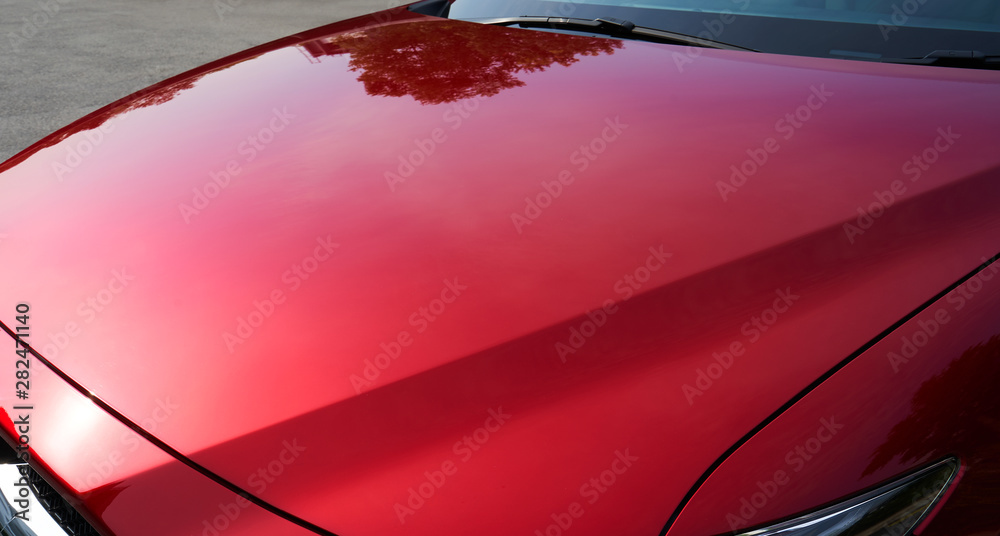
Panel gaps in cars are the slim spaces where two body panels meet. They run along doors, hoods, trunks, and fenders. On a well-built car, these lines appear smooth and even. When gaps look uneven, it may point to hidden issues. Take the Toyota Camry as an example. Known for reliable build quality, the Camry often shows clean, balanced panel lines. If thosext lines look wide on one side but tight on the other, it can raise concern. This may signal past accident repairs or panels that were not aligned with care. Key points to remember when checking panel gaps in cars:
- Even gaps often show strong build quality.
- Uneven gaps can point to past damage or poor repair work.
- Large or irregular gaps may affect how doors, hoods, or trunks close.
- Tight gaps can lead to paint wear and chipping.
Looking at panel gaps is a quick but powerful step in buying a used car. Straight, even lines inspire trust in the car’s history. Uneven lines, on the other hand, can be a sign to take a closer look before making a decision.
Panel Gaps and Accident or Repair History
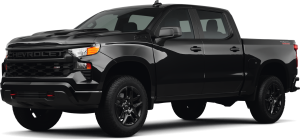
Panel gaps in used cars can tell a clear story about the past. When the lines are uneven, it may suggest that the car was involved in a collision or that bodywork was done without care. Small signs like this can help buyers spot larger concerns before making a choice. A truck like the Silverado 1500 is built with tight and even gaps from the factory. If those gaps appear wide on one side or pressed close on another, it may point to damage repair. Even if paint looks fresh, uneven gaps often reveal more than the surface shows. When looking for clues, keep these points in mind:
- Wide gaps may show panels were replaced after an accident.
- Tight gaps can mean panels were forced into place.
- Uneven doors or trunks may not seal as they should.
- Fresh paint near one gap may hint at hidden repair work.
Panel gaps do not prove the full history of a car, but they are strong hints. Taking time to check them can help buyers avoid cars with past damage that could lower safety, value, or long-term use.
Panel Gaps as Indicators of Structural or Frame Damage
For buyers, a key step is knowing what panel gaps are in cars. These narrow lines between body panels may look small, but they often tell much about the car’s health. Even clean lines usually mean the body and frame are in good shape. Uneven or warped gaps can point to deeper issues below the surface. Take a Civic Sedan as an example. Known for solid fit and finish, this car should show neat, balanced gaps along its doors and hood. If one side looks tight while the other side is wide, the frame may have shifted from an impact. Even if the car drives straight, misaligned panels can suggest hidden stress in the structure. Key signs that gaps may signal frame or structural damage include:
- Gaps that grow wider from front to back.
- Doors that do not shut with ease.
- A trunk or hood that needs force to close.
- Misaligned body lines that fail to match.
When gaps show signs like these, the concern is more than looks. They can mean the frame no longer sits as it should. A car with such damage may face reduced safety in a crash and lower value over time. Taking note of these details can help avoid costly mistakes.
Durability and Resale Value Impact from Panel Gaps
Used car panel gaps can play a larger role than many expect. They do not only affect how a car looks. Uneven lines can shorten the life of body parts and lower resale value. Buyers often see gaps as a sign of care, or lack of it, over time. A well-kept car, such as a Camry, often holds even gaps that close smooth and tight. When those lines look off, buyers may question the car’s full history. They may also offer less money, knowing the car could need work in the future. Ways poor gaps can affect durability and value include:
- Water leaks: Loose seals let rain or wash water reach the cabin.
- Rust risk: Moisture trapped under uneven panels can speed up rust.
- Noise: Wind can enter through wide gaps, making the ride loud.
- Lower value: Uneven lines often lead to reduced trade-in or resale offers.
Panel gaps are small, but they leave a strong first impression. Even lines show care and build trust. Uneven lines, on the other hand, may warn a buyer to move on or lower their offer.
How Automakers and Repair Shops Measure Panel Gaps
A proper panel gap inspection car ensures that body panels are aligned correctly and consistently. Manufacturers set strict standards for every model. Even small differences can affect how a vehicle looks, drives, and seals against weather. Take the Silverado 1500 as an example. At the factory, workers use tools like gap sticks and digital calipers to check spacing. Panels must match the exact specifications to maintain fit, finish, and durability. Repair shops follow similar rules when fixing collisions:
| Tool / Method | Purpose |
| Gap sticks | Quick visual check of panel spacing |
| Digital calipers | Measure gaps to the nearest 0.1 millimeter |
| Feeler gauges | Detect small differences between adjoining panels |
| Visual symmetry check | Compare left and right sides for uniformity |
During a panel gap inspection car, technicians also check that doors, hoods, and trunks open and close smoothly. Misalignment often signals that repairs were done incorrectly or that the frame may need attention. Consistent measurements ensure the vehicle not only looks good but also maintains safety, durability, and resale value. Proper alignment is critical for both factory vehicles and cars that have undergone repairs.
Limitations of Panel Gaps in Used Car Shopping
A panel gap inspection used car is a helpful tool, but it has limits. Not every uneven gap signals serious damage. Some cars leave the factory with slight inconsistencies. Minor differences can be normal, especially in older or budget models. For example, a Civic Sedan from certain years may have small variations in panel lines that do not affect safety or durability. Even if the gaps are not perfectly uniform, the car can still perform well and remain reliable. Key limitations to keep in mind include:
| Limitation | Explanation |
| Factory tolerances | Some models shipped with minor gap differences |
| Cosmetic issues only | Slight misalignment may only affect appearance |
| Hidden mechanical problems | Gaps do not reveal engine, transmission, or suspension issues |
| Minor repairs | Small past repairs may not affect function or safety |
While uneven lines can be a clue, they are only one part of a full inspection. Always combine gap checks with test drives, paint evaluation, and professional assessments. This ensures buyers understand the car’s true condition before making a decision.
Step-by-Step Guide to Panel Gap Inspection
Checking panel gaps in cars is an easy way to spot potential issues. A careful inspection can reveal past damage, poor repairs, or alignment problems. Using a Camry as an example, even small differences in panel lines can highlight areas that need closer attention. Follow these steps for a thorough inspection:
| Step | How to Do It |
| Visual symmetry check | Stand back and compare left and right sides of the car |
| Open and close panels | Test each door, hood, and trunk for smooth operation |
| Measure gaps if needed | Use a ruler or calipers to check spacing between panels |
| Inspect paint and edges | Look for fresh paint, overspray, or sanding marks |
| Check under panels | Peek under fenders, trim, and wheel wells for damage |
| Compare with a model | Look at other same-year examples to note factory gaps |
A panel gap inspection is simple but powerful. Even gaps show a well-cared-for vehicle, while uneven gaps may signal hidden repairs. Taking the time to inspect carefully can save headaches and ensure confidence in your purchase.
Tools That Help with Panel Gap Inspection
Checking panel gaps in used cars is easier with the right tools. They help spot uneven lines and hidden issues that may not be obvious at first glance. Even on a well-built truck like the Silverado 1500, small differences in gaps can indicate past repairs or alignment problems. Here are some tools commonly used for panel gap inspection:
| Tool | How It Helps |
| Gap sticks | Quick visual check of spacing between panels |
| Digital calipers | Measure gaps precisely to the nearest 0.1 millimeter |
| Feeler gauges | Detect small differences along edges and seams |
| High-resolution camera | Capture panel lines to compare left and right sides |
| Flashlight | Illuminate tight areas under panels and inside trims |
Using these tools makes it easier to spot uneven gaps, warped panels, or misaligned doors. They add accuracy to a visual inspection and help buyers make informed decisions. Even small tools like a ruler or smartphone camera can reveal important details during a careful inspection.
When to Seek Professional Help with Panel Gaps
Understanding what are panel gaps in cars can help spot potential problems, but not every issue is easy to diagnose. Some misaligned panels may signal hidden damage that requires expert attention. Even a Civic Sedan with small gaps can hide frame or structural issues that are hard to see without proper tools. Consider professional help if you notice any of these signs:
| Warning Sign | Reason to Seek Help |
| Large or uneven gaps | Could indicate past accidents or frame misalignment |
| Panels that do not open/close smoothly | May signal improper repairs or warped parts |
| Mismatched paint or fresh paint in gaps | Suggests repairs that need closer inspection |
| Doors, hood, or trunk feel loose or tight | Can affect safety and vehicle durability |
| Uneven gaps on multiple panels | Might indicate structural damage beyond visual repair |
A professional inspection can include frame measurements, paint analysis, and mounting point checks. These steps ensure that potential issues are fully identified. Calling a certified collision shop or trusted mechanic is the safest way to confirm the car’s condition before purchase.
Frequently Asked Questions About Why Panel Gaps Matter When Buying a Used Car
What are panel gaps and why do they matter?
Panel gaps are the small spaces where two body panels meet, such as doors, hoods, trunks, and fenders. They matter because even, consistent gaps indicate strong build quality, proper alignment, and careful repairs, while uneven gaps can signal past damage or poor workmanship.
How do inconsistent panel gaps suggest past bodywork or repairs?
Uneven or misaligned gaps can show that panels were replaced, removed, or remounted. Differences in width or tapering along seams often indicate the car was repaired after an accident.
Can panel gaps affect a car’s safety or structural integrity?
Yes. Large or uneven panel gaps may suggest frame or structural damage, which can compromise crash safety, handling, and proper operation of doors, hoods, and trunks.
Do panel gaps impact aerodynamics or fuel efficiency?
Minor panel gap variations have little effect on aerodynamics, but very large or uneven gaps can slightly increase wind resistance and noise, which may have a small impact on fuel efficiency.
Learn More and Explore Our Vehicles
For buyers in Selma and Fresno, checking panel gaps is just one step in choosing a reliable car. It’s also important to review paperwork and vehicle history to avoid surprises. Our team at My Car Park.com is ready to help you understand both the physical condition and the records of any vehicle you consider. We invite you to explore our wide selection of cars, including the Camry, Silverado 1500, and Civic Sedan. Each vehicle is carefully inspected so you can feel confident in your choice. For extra guidance, you can review resources like What to Look for in Paperwork When Buying a Used Car to learn how to check history, repairs, and ownership records. You can also see How to Tell if a Used Car Was in an Accident (Full Guide) to spot signs of past collisions or hidden damage, and Which Used Cars are Least Likely to be a Lemon? to find models known for reliability and long-term value. Taking these steps ensures you find a dependable car that fits your needs. Stop by or contact us today to see our inventory, ask questions, and get expert advice on buying a used car.
Get Directions to My Car Park.com
Disclaimer: All information is provided for general informational and entertainment purposes only. While we strive for accuracy, we cannot guarantee that all content is complete, current, or error-free. Any reliance you place on such information is strictly at your own risk. This article may include opinions and is not endorsed by, or officially affiliated with, any vehicle manufacturer or brand. Always consult official sources – such as the vehicle’s owner’s manual, authorized dealerships, or certified professionals – for the most up-to-date and personalized information.