
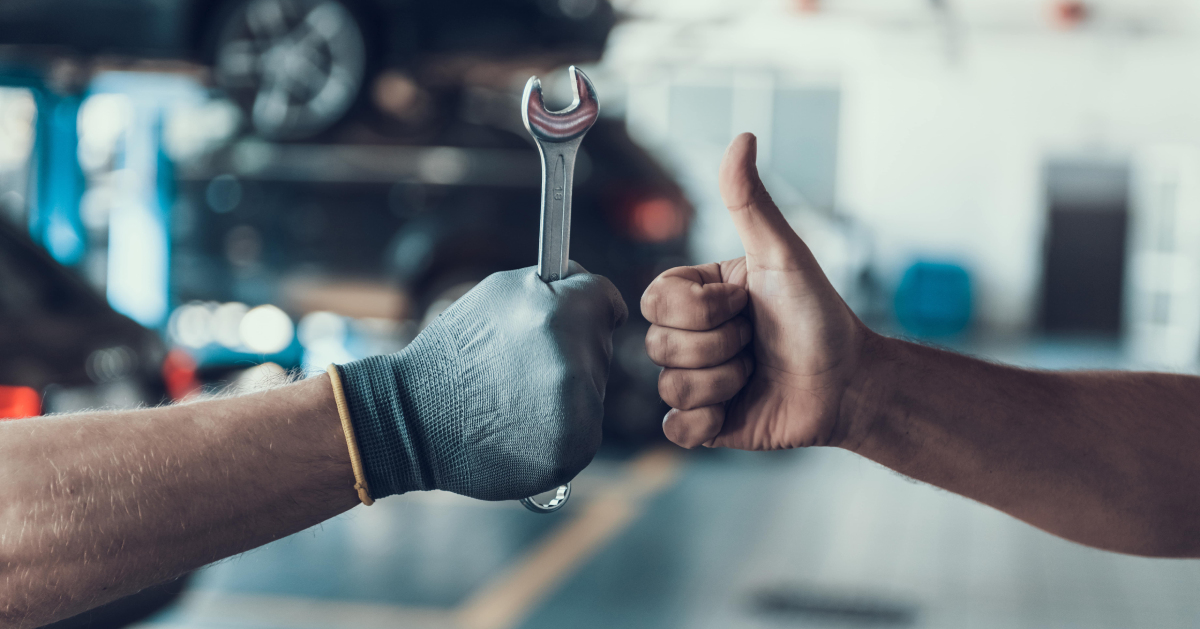
Reducing repair costs on a used car starts with consistent maintenance, smart repair decisions, and driving habits that minimize wear over time. Regular inspections, quality replacement parts, comparing repair estimates, and addressing small issues early can help you avoid major expenses and keep your used car dependable for years to come.
At My Car Park.com, we are committed to helping drivers find reliable used cars and keep them running at their best. Whether you are shopping for your next vehicle, looking for trusted automotive guidance, or need assistance with service, parts, or maintenance, our team is here to help. Contact us today or visit us to learn how we can support all of your automotive needs.
1. Stay Ahead with Preventive Maintenance
Preventive maintenance is one of the most effective ways to reduce used car repair costs 2026. Many expensive repairs begin as small issues that go unnoticed, such as low fluid levels, worn brake pads, or aging belts. Addressing these concerns early helps keep used cars reliable while preventing minor problems from turning into major mechanical failures.
Think of preventive maintenance as an investment rather than an expense. A routine oil change costs far less than replacing a damaged engine, and replacing worn brake pads is significantly more affordable than repairing damaged rotors and calipers. Staying consistent with scheduled maintenance not only extends the life of your vehicle, but also helps improve safety, fuel efficiency, and overall performance.
Simple maintenance tasks can make a noticeable difference, including:
- Changing the engine oil and filter at recommended intervals.
- Checking and topping off essential fluids.
- Inspecting brakes for signs of wear.
- Replacing air filters when needed.
- Testing the battery before it begins to fail.
- Inspecting belts and hoses for cracks or leaks.
Keeping detailed service records is another smart habit. Whether you perform basic maintenance yourself or work with a trusted technician, documenting completed services helps you stay on schedule and can even increase your vehicle's resale value.
2. Choose Quality Aftermarket Parts When Appropriate
Replacing worn components does not always mean you have to purchase original equipment manufacturer (OEM) parts. In many cases, quality aftermarket parts offer dependable performance at a lower price, making them one of the most practical tips for reducing repair costs on a used car. The key is choosing reputable brands that meet or exceed industry standards.
Not all aftermarket parts are created equal. While some provide excellent value, others may wear out quickly or fail to fit correctly. Spending a little time researching your options can help you avoid repeat repairs and unnecessary expenses. Reading product reviews, comparing warranties, and confirming compatibility with your vehicle are all worthwhile steps before making a purchase.
When considering aftermarket parts, keep these best practices in mind:
- Choose parts from trusted manufacturers with a proven reputation.
- Verify that the part is designed for your vehicle's year, make, and model.
- Compare warranty coverage before buying.
- Ask a qualified technician whether an aftermarket or OEM part is the better choice for the repair.
- Avoid extremely low-priced parts if quality is questionable.
For example, replacing a cabin air filter or brake pads with high-quality aftermarket options can often provide reliable performance while keeping costs under control. However, for certain safety systems or highly specialized components, an OEM replacement may still be the recommended option. Understanding the difference helps you make informed decisions without sacrificing reliability.
3. Compare Multiple Repair Estimates
One of the smartest used car maintenance tips for 2026 is to compare repair estimates before approving major work. Prices can vary significantly from one repair shop to another, even when the recommended service is the same. Taking a little extra time to shop around can help you avoid overpaying while giving you greater confidence in the repairs your vehicle needs.
A written, itemized estimate makes it much easier to understand where your money is going. Instead of looking only at the total price, review the labor charges, parts costs, and any additional fees. If one estimate includes services that others do not, ask why those repairs are being recommended. A trustworthy technician should be able to explain each recommendation in clear, straightforward terms.
When comparing estimates, pay attention to the following:
- Request detailed, itemized quotes from at least two or three repair shops.
- Compare labor rates and the quality of the replacement parts being used.
- Ask whether the parts are OEM or aftermarket.
- Find out if the repair includes a warranty on parts and labor.
- Clarify whether any services are optional or can safely be scheduled later.
Imagine two repair shops recommending the same brake repair for your vehicle. One may charge more because it uses premium parts or includes a longer warranty, while another may offer similar quality at a lower price. Comparing both options allows you to choose the repair that best fits your budget without compromising safety.
4. Work with a Trusted Independent Mechanic
Finding a reliable independent mechanic can make a significant difference in both the quality of your vehicle's care and your long-term ownership costs. If you are looking for practical ways to learn how to save money on used car repairs, building a relationship with a skilled local technician is a smart place to start. Many independent repair shops provide personalized service, competitive pricing, and the expertise needed to keep used cars running reliably.
A mechanic who becomes familiar with your vehicle's maintenance history can often spot potential issues before they become expensive problems. Instead of treating every visit as a one-time repair, they can recommend preventive services that help extend the life of important components. That ongoing relationship can also give you greater confidence when unexpected repairs arise.
When choosing an independent mechanic, consider these factors:
- Look for technicians with professional certifications and relevant experience.
- Ask about warranties on both parts and labor.
- Choose a shop that provides clear, written estimates before work begins.
- Pay attention to communication and willingness to answer your questions.
- Stay with a mechanic you trust instead of switching shops for every repair.
For example, if your vehicle develops an unusual noise during a routine inspection, a trusted mechanic may identify a worn belt or bearing before it causes more extensive damage. Catching a problem early is often much less expensive than waiting for a complete component failure. Whether you are searching for dependable used cars or looking for guidance on maintaining the one you already own, My Car Park.com is here to support you. Contact our team today for assistance with finding a quality vehicle and helpful automotive resources that make ownership more affordable.
5. Use a Diagnostic Tool Before Scheduling Repairs
A check engine light can be unsettling, but it does not always mean your vehicle needs an expensive repair. An OBD-II diagnostic scanner is an affordable tool that can read trouble codes stored by your vehicle's computer, giving you a better understanding of what may be wrong before you schedule a service appointment. While it does not replace a professional inspection, it can be a valuable resource when using a used car repair cost guide to better understand potential repair expenses for used cars.
Knowing the diagnostic code ahead of time allows you to have a more informed conversation with your mechanic. Instead of feeling uncertain about a repair recommendation, you can ask specific questions about the issue, possible solutions, and whether the repair requires immediate attention. This extra knowledge can help you avoid unnecessary work while ensuring important problems are addressed promptly.
A diagnostic tool can help you:
- Identify common engine and emissions-related trouble codes.
- Better understand the reason behind a warning light.
- Compare repair recommendations from different shops.
- Determine whether the issue appears minor or requires immediate attention.
- Feel more confident when reviewing repair estimates.
For example, a loose or damaged gas cap can sometimes trigger a check engine light, even though the fix is simple and inexpensive. On the other hand, a code related to the engine or transmission may indicate a more serious concern that should be inspected by a qualified technician as soon as possible. Reading the code first helps you approach the repair process with realistic expectations.
6. Practice Driving Habits That Reduce Wear and Tear
The way you drive has a direct impact on how long your vehicle's components last. Smooth, consistent driving can reduce stress on the engine, brakes, transmission, and suspension, making it one of the easiest ways to reduce used-car repair costs in 2026. Even small adjustments behind the wheel can help used cars stay dependable while lowering maintenance expenses over time.
Think about the difference between gradually slowing for a stoplight and braking hard at the last second. Gentle braking places less strain on your brake pads and rotors, helping them last longer. Likewise, smooth acceleration reduces wear on the engine and transmission while improving fuel efficiency.
Adopting a few simple habits can make a noticeable difference:
- Accelerate gradually instead of flooring the accelerator.
- Brake smoothly and leave plenty of distance between your vehicle and others.
- Maintain the recommended tire pressure for better handling and even tire wear.
- Avoid carrying unnecessary weight that puts extra stress on the suspension and brakes.
- Slow down on rough roads to reduce the impact on tires and suspension components.
These habits may seem minor on their own, but they add up over months and years of ownership. For example, consistently avoiding potholes and driving carefully over speed bumps can help protect your alignment, tires, and suspension from premature wear. Small choices like these often prevent repairs that could have been avoided.
7. Maintain Your Tires and Suspension System
Your tires and suspension work together to provide a smooth ride, stable handling, and reliable braking. Keeping both systems in good condition is one of the most practical tips for reducing repair costs on a used car because it helps prevent uneven tire wear and reduces unnecessary strain on other components. Regular inspections also help used cars perform safely and efficiently, whether you are driving across town or taking a longer trip.
It is easy to overlook tire and suspension maintenance because problems often develop gradually. However, catching signs of wear early can prevent more expensive repairs later. Uneven tire tread, vibrations while driving, or a vehicle pulling to one side may indicate that it is time for an alignment or suspension inspection.
To help protect your vehicle, remember to:
- Check tire pressure at least once a month.
- Rotate your tires according to the manufacturer's maintenance schedule.
- Schedule wheel alignments if you notice uneven tire wear or steering issues.
- Inspect shocks, struts, and other suspension components during routine maintenance.
- Replace worn tires before they compromise traction and handling.
For example, driving with poor wheel alignment can cause tires to wear out much faster than expected. It can also place additional stress on steering and suspension components, leading to repairs that could have been avoided with a simple alignment service. A small investment in routine maintenance often saves money over the life of the vehicle.
How can I reduce repair costs on a used car?
You can reduce repair costs on a used car by following a regular maintenance schedule, fixing small problems early, comparing repair estimates, choosing quality aftermarket parts when appropriate, using a diagnostic tool to identify issues, and practicing gentle driving habits that reduce wear on vehicle components.
What maintenance helps prevent expensive used car repairs?
Routine maintenance such as regular oil changes, fluid checks, brake inspections, tire rotations, wheel alignments, battery testing, and replacing worn filters, belts, and hoses can help prevent expensive used car repairs by identifying issues before they become major problems.
Should I use OEM or aftermarket parts for a used car?
Both OEM and quality aftermarket parts can be good choices. Aftermarket parts often cost less and provide reliable performance when purchased from reputable manufacturers, while OEM parts may be preferred for certain specialized or safety-related repairs.
How often should I service a used car to avoid major repairs?
A used car should be serviced according to the manufacturer's recommended maintenance schedule. Regular inspections and routine services, including oil changes, fluid replacements, and brake checks, help catch small issues before they lead to costly repairs.
What are the most common costly repairs on used cars, and how can I prevent them?
Some of the most expensive repairs involve the engine, transmission, brakes, suspension, and cooling system. You can help prevent these repairs by keeping up with preventive maintenance, addressing warning signs promptly, maintaining proper tire alignment, and driving carefully to reduce unnecessary wear.
Keep Your Vehicle Running Strong for Years to Come
Lowering repair costs is not about finding a single shortcut. It comes from making smart decisions throughout the life of your vehicle. Staying current with maintenance, addressing concerns early, choosing quality replacement parts, and developing good driving habits can help you get the most value from used cars while avoiding many costly repairs.
Drivers throughout Selma, Fowler, Del Rey, and Bowles can turn to My Car Park.com for dependable transportation solutions and a wide selection of quality used cars. Whether you are searching for your next vehicle or looking for guidance on maintaining your current one, our team is here to help. We take pride in helping drivers find vehicles that fit their needs and budgets while providing helpful automotive resources along the way.
If you are researching different types of used vehicles, continue exploring our site for more helpful insights. You can learn about best cars for traffic, used EV battery value, and best pickups for towing to compare options and make a more informed buying decision.
For more information about our inventory, financing options, and automotive services, contact us today. Our knowledgeable team is ready to help you find a reliable vehicle and support you throughout your ownership journey.
Contact My Car Park.com
Get Directions to My Car Park.com
Disclaimer: All information is provided for general informational and entertainment purposes only. While we strive for accuracy, we cannot guarantee that all content is complete, current, or error-free. Any reliance you place on such information is strictly at your own risk. This article may include opinions and is not endorsed by, or officially affiliated with, any vehicle manufacturer or brand. Always consult official sources – such as the vehicle’s owner’s manual, authorized dealerships, or certified professionals – for the most up-to-date and personalized information.