
Used EV battery depreciation is gradual, predictable, and often less dramatic than many buyers expect. Most electric vehicle batteries remain usable until they reach about 75% of their original capacity, which still supports daily driving needs even as range declines over time. For many drivers, that means used EVs can offer strong value in 2026, especially when battery health, warranty coverage, and real-world range are carefully considered.
At Mycarpark.com, we are here to help you make confident decisions whether you are exploring your first EV or upgrading your current vehicle. Our team supports you through every step, from vehicle selection to flexible financing options designed to fit your needs. Visit us or contact our team today to explore your options and find the right vehicle for your lifestyle.
How Do EV Batteries Degrade Over Time and What Does That Mean for Drivers?
EV batteries lose capacity gradually, not all at once. This process, often discussed as used EV battery depreciation, means the battery holds slightly less energy each year, which directly affects how far the vehicle can travel on a full charge.
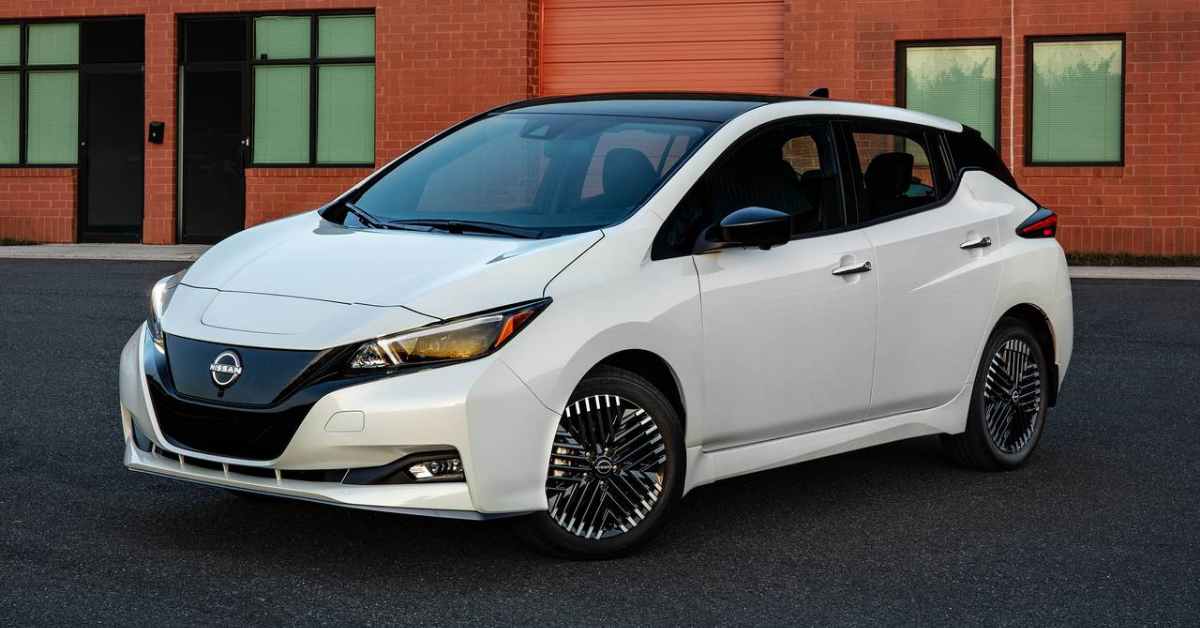
For drivers, the change shows up in range, not performance. A vehicle like the Nissan LEAF may start with a higher estimated range, then settle into a lower but still usable number over time. That shift happens slowly, which gives owners time to adjust how they plan trips and charging.
Think of it like a smartphone battery. It still works reliably, just with shorter usage between charges.
What matters day to day:
- Short commutes remain practical even with reduced capacity
- Charging habits become more important over time
- Long-distance driving may require more planning
The key takeaway is consistency. Degradation is predictable, which helps drivers make informed decisions as their vehicle ages.
What Is Used EV Battery Depreciation and How Does It Affect Resale Value?
Used EV battery depreciation comes down to how much usable capacity remains and how that translates into real-world driving. Buyers are not just comparing model years or mileage. They are asking how far the car can go today and how that range will hold up over time.
This is where the question, are used EVs worth buying, becomes clearer in practice. A vehicle that maintains consistent range in normal conditions will typically hold its value better. On the other hand, if range keeps dropping even in mild weather or charging slows at familiar stations, buyers may expect a lower price.
Warranty coverage still matters. A Tesla Model 3, for example, includes an 8-year or 160,000 km battery warranty, which can add reassurance when evaluating resale value.
In simple terms, resale value often comes down to:
- Stable real-world range over time
- Remaining warranty coverage
Battery condition directly shapes both price and buyer confidence.
Are Used EVs Worth Buying in 2026 Based on Battery Health?
Battery health often becomes the deciding factor when weighing a used EV. Not every buyer needs maximum range, and that shift in expectations is shaping decisions in today’s EV resale value guide 2026 conversations.
A used EV can still fit comfortably into daily life if the remaining range aligns with how the car is actually used. For example, a Chevrolet Bolt EUV offers an EPA-estimated 262 miles of range when new, which gives buyers a useful reference point when evaluating a pre-owned model with some capacity loss.
It helps to think in terms of lifestyle, not just specs:
- Short, predictable commutes are easier to match with a used EV
- Occasional long drives may require more planning
- Lower purchase cost can offset reduced range
Battery condition does not automatically make or break the deal. It simply changes how the vehicle fits into your routine, which is ultimately what determines long-term value.
What Should You Check Before Buying a Used Electric Car?
Buying a used EV is less about the badge and more about how the battery has aged. Understanding how EV batteries degrade over time helps you focus on what actually matters during inspection.
Start with what you can observe and verify:
- Real-world range at full charge: Compare the current estimate to the original rating when possible, under similar conditions.
- Charging behavior: Ask how long it typically takes to charge and whether that has changed over time.
- Battery history and diagnostics: A service report or diagnostic check can reveal deeper details.
- Warranty coverage: Confirm if any battery warranty remains and what it covers.
- Daily usability fit: Consider how the remaining range aligns with your routine.
For example, a Hyundai Kona Electric offers modern features and usability, but the decision should still center on battery condition rather than model alone.
How Do Popular Used EV Models Compare in Battery Longevity and Value?
Not all used EVs age the same, and that becomes clear when comparing models side by side. Some have longer track records, while others stand out for pricing or newer design approaches.
A model like the Nissan LEAF benefits from years of real-world use, with over 18 billion miles driven globally. That kind of history gives buyers more confidence when evaluating long-term battery behavior.
Others bring different strengths:
- Tesla Model 3 focuses on efficiency and lower maintenance needs
- Chevrolet Bolt EV is positioned as a more affordable entry point
- Hyundai Kona Electric offers a more modern layout and expanded interior space
From a practical standpoint, used electric car buying tips often come down to comparing how each model balances range, warranty coverage, and expected battery aging.
Two vehicles may look similar on paper, but their long-term value can differ based on how their batteries have held up.
How quickly do EV batteries and resale values typically depreciate?
EV batteries degrade gradually over years, not suddenly, with noticeable changes often appearing in the second half of a vehicle’s life. Resale values are closely tied to battery health, and used EV prices have dropped significantly in recent years, with some markets seeing around a one-third decline in 2024.
What should shoppers check before buying a used electric vehicle?
Shoppers should focus on real-world range, charging behavior, and any available battery diagnostics or service reports. It is also important to confirm remaining warranty coverage and how the vehicle fits daily driving needs.
How does battery health affect driving range and long-term value?
Battery health directly determines how much range an EV can deliver and how usable it remains over time. Lower capacity reduces driving distance and can significantly impact resale value, especially as the battery approaches lower health thresholds.
Are used EVs a smart buy for commuters or budget-conscious shoppers?
Yes, used EVs can be a strong value, especially for drivers with predictable daily commutes. Lower purchase prices combined with reduced energy and maintenance costs can make them more affordable over time.
What ownership costs should I compare when evaluating a used EV?
You should compare upfront price, financing costs, charging expenses, maintenance, insurance, and depreciation. Charging at home can cost around 4 to 6 cents per mile, and EVs typically have 35 to 50 percent lower maintenance costs than gas vehicles.
Ready to Take the Next Step with a Used EV?
Understanding how batteries depreciate puts you in control of the decision. When you know what to look for, from range consistency to warranty coverage, a used EV becomes much easier to evaluate and much easier to trust. The goal is not to find a perfect battery; it is to find the right fit for how you actually drive.
For drivers in Selma, Fowler, Del Rey, and Bowles, that often means balancing daily convenience with long-term value. Whether you are considering a Nissan LEAF for its proven track record, a Tesla Model 3 for its efficiency, a Chevrolet Bolt EV for affordability, or a Hyundai Kona Electric for its modern design, the right choice starts with understanding battery health first.
Explore More Ways to Shop Smart
If you are comparing options, it helps to look beyond just EVs. You can continue learning through guides like best used car year, which breaks down timing your purchase, or stop-and-go cars, which focuses on daily driving conditions many buyers face. For those comparing trims and features, Camry trim differences offer a helpful look at how small changes can affect long-term value.
Let My Car Park.com Help You Move Forward
At My Car Park.com, we are here to make the process simple and transparent. From helping you understand battery condition to walking you through financing options that fit your budget, our team is ready to support every step.
Reach out today to learn more, ask questions, or explore available vehicles. Your next car should match your life, not complicate it.
Contact My Car Park.com
Get Directions to My Car Park.com
Disclaimer: All information is provided for general informational and entertainment purposes only. While we strive for accuracy, we cannot guarantee that all content is complete, current, or error-free. Any reliance you place on such information is strictly at your own risk. This article may include opinions and is not endorsed by, or officially affiliated with, any vehicle manufacturer or brand. Always consult official sources – such as the vehicle’s owner’s manual, authorized dealerships, or certified professionals – for the most up-to-date and personalized information.